
Sex Toy Technical Guide: Control, Materials, and Power Options for Buyers
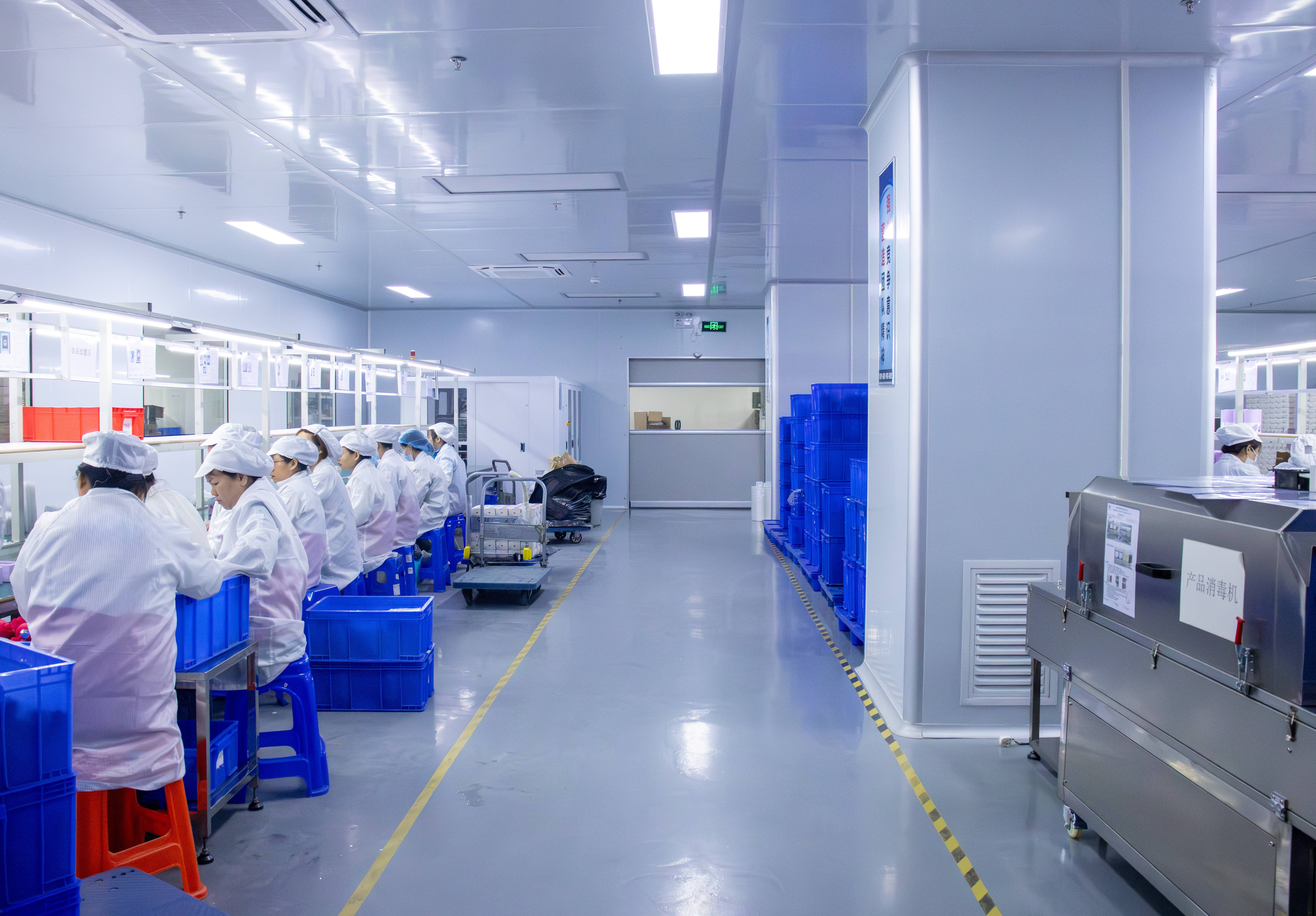
Control interface, material grade, and power configuration are the three technical decisions that determine how a sex toy performs after the first sell-through. This guide is written for wholesale buyers who have already chosen a supplier and are moving from decision into execution: sampling, specification sign-off, and the first production order. It explains what to check in each of the three areas, in what order, and how to convert an approved sample into a repeatable purchase order.
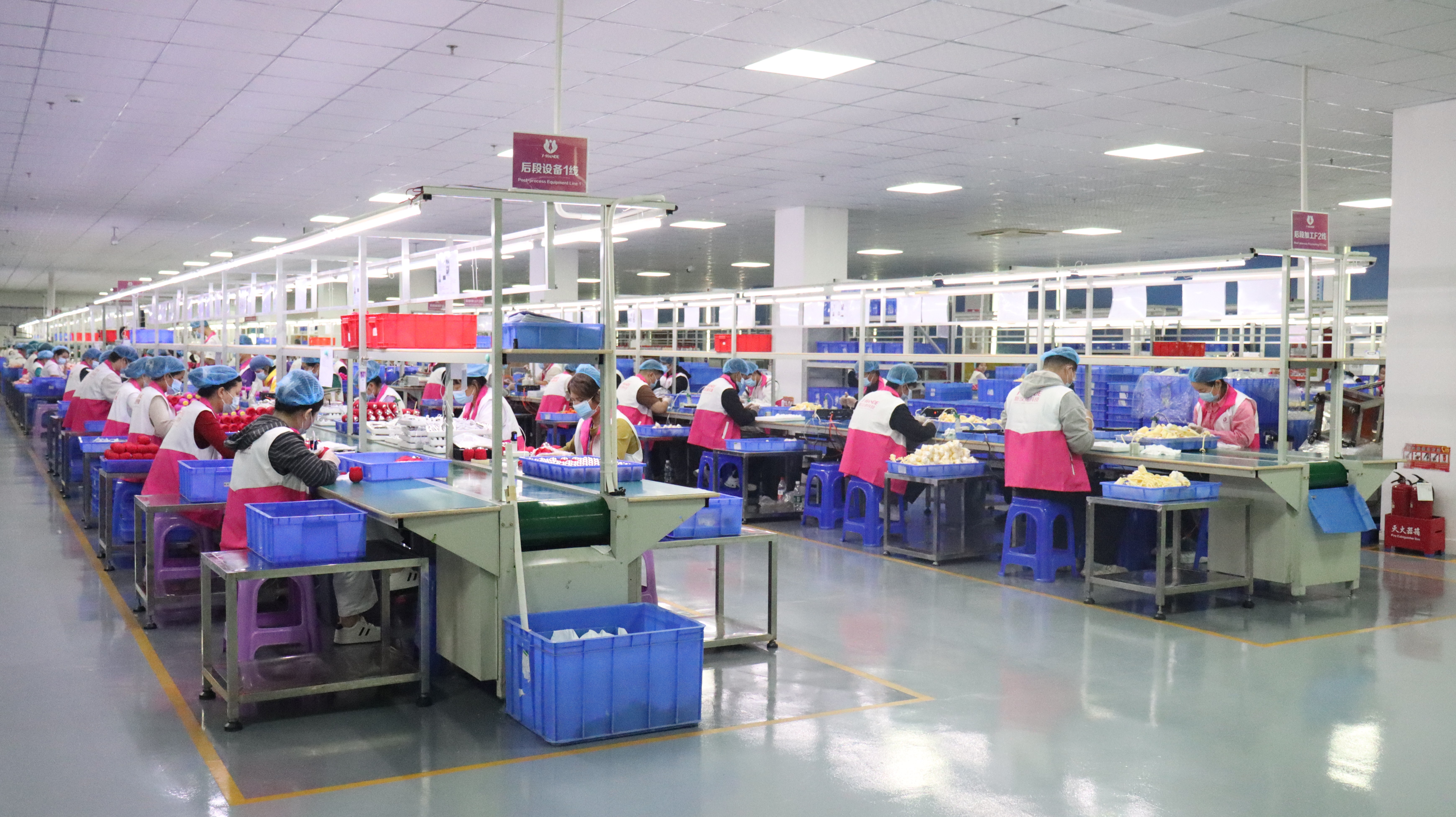
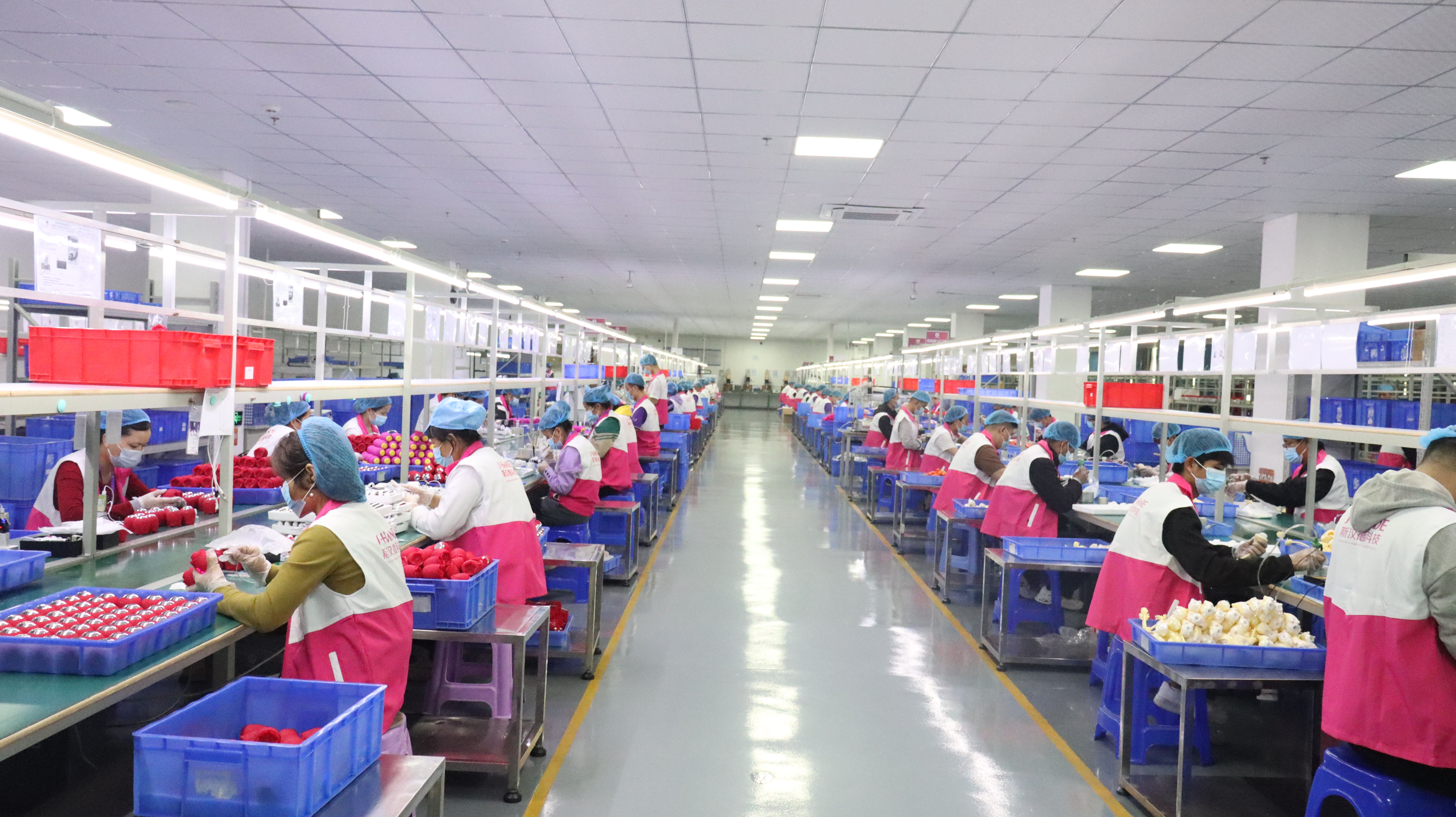
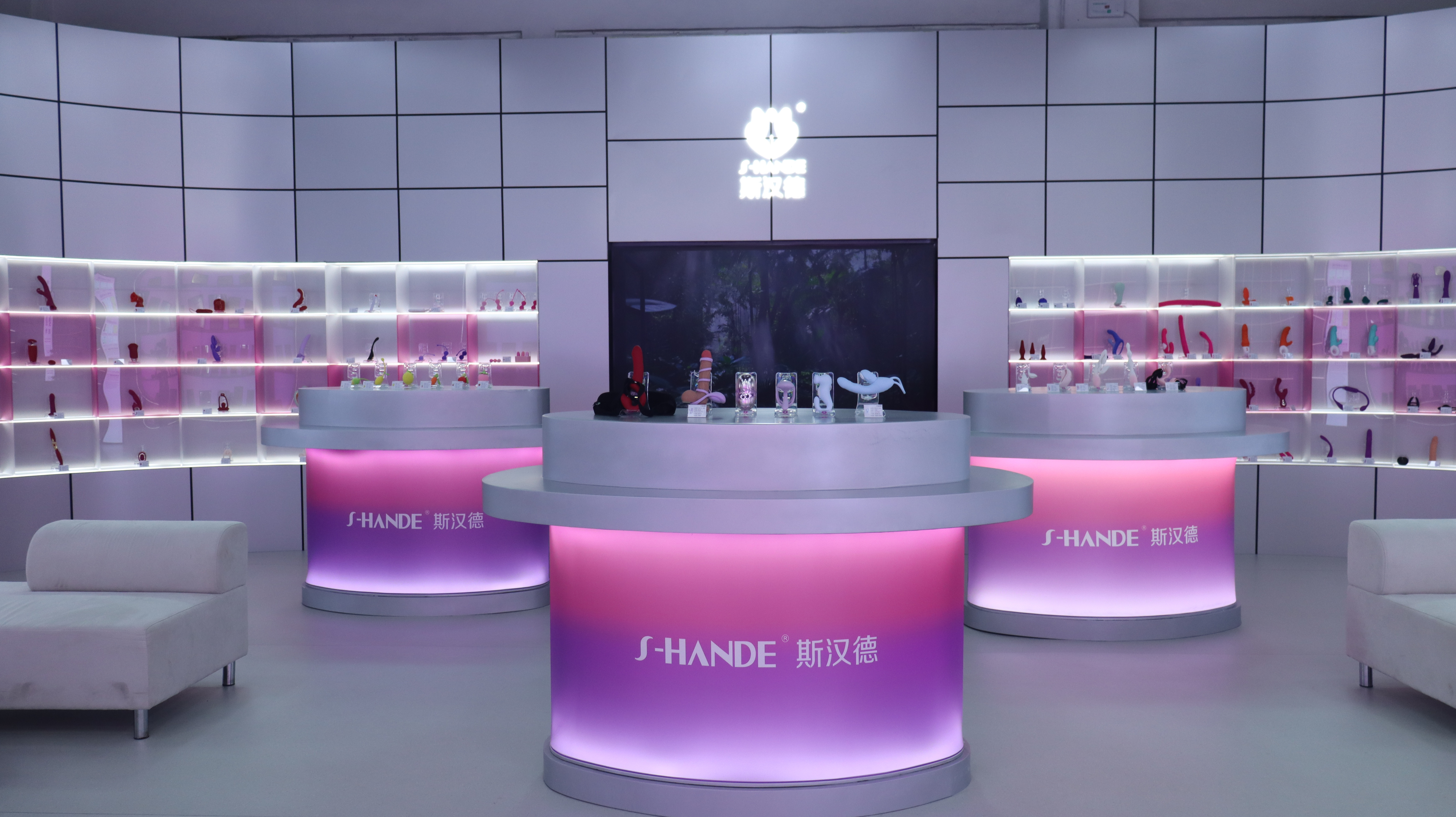
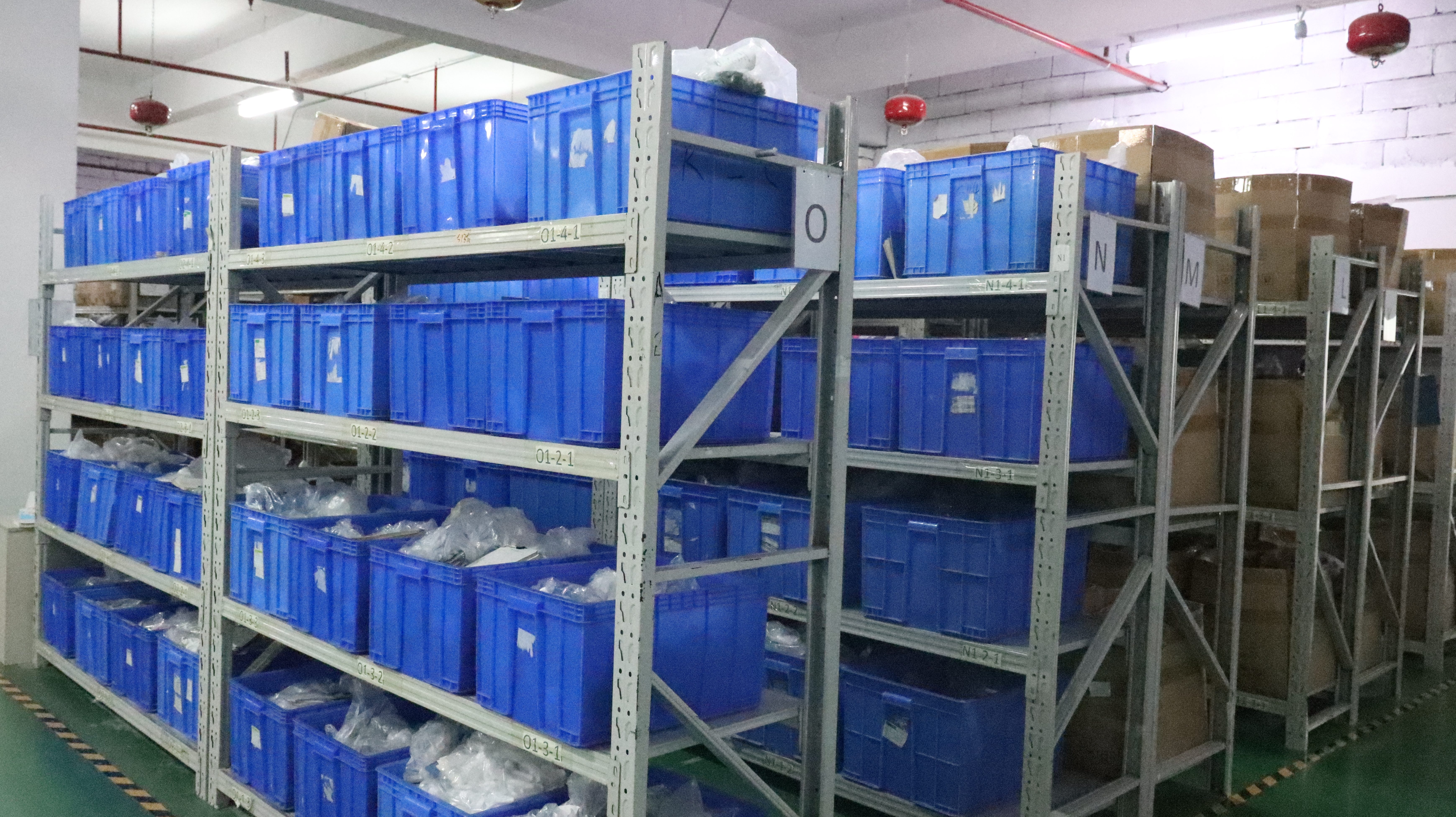
Shenzhen S-HANDE Technology Co., Ltd. (S-HANDE) is an intimate wellness manufacturer established in 2014, with brand heritage since 2009, operating a 15,000 m² factory in Shenzhen, China, and serving customers in more than 70 countries. Its catalogue spans 10+ product categories and 500+ SKUs, and includes commercial families such as Magic Tree-App Pro, Starship Pro, and Screaming Pro that buyers can use as comparison anchors during sampling.
Why Control, Material, and Power Decide Whether a Program Survives Year Two
Most sourcing failures in this category are not caused by the wrong product category. They are caused by a technical detail that was never written into the specification sheet and therefore never tested on the sample.
Control failures appear first as complaints rather than returns: a button that stops responding after cleaning, an app pairing that drops mid-session, a touch surface that triggers through packaging during transit. Material failures appear later and are more expensive: a surface that becomes tacky after a few months on shelf, a joint where the skin separates from the housing, a porous surface that retains residue. Power failures sit between the two: a charging contact that corrodes in a humid bathroom, a battery that holds noticeably less runtime after a season of use.
Each of these is a design and process choice, not a random defect. That is why the three areas must be locked before the sample order, not after the first production run. A buyer who signs off on appearance alone has effectively delegated the technical specification to the factory.
Where the Category Stands on Standards and Materials
ISO 3533:2021 is the first international safety standard written specifically for sex toys, covering design, material safety, and labeling, according to SGS. Its existence changes the buyer's starting point: material claims are no longer only a marketing statement, they are a design and labeling question that can be checked against a documented standard.
Material risk concentrates in porous compounds. SGS identifies porous materials such as TPE and PVC as riskier than non-porous options because of bacterial retention and potential phthalate content. For buyers selling into markets with active consumer-protection enforcement, that single fact reshapes the supplier questionnaire.
Market sizing is a weaker signal than it appears. Commercial research houses publish materially different totals for this category depending on whether the definition covers sexual wellness or adult novelty, so a market-size figure should not drive assortment decisions on its own. Segment structure is more useful: vibrators account for roughly 29.4% of the category in Global Market Insights research, which is consistent with the experience of buyers who anchor ranges on powered products and fill the rest with non-powered items.
What actually differentiates suppliers at the execution stage is whether the technical decisions can be documented. S-HANDE operates with 50+ R&D engineers across mechanical engineering, industrial design, electronics, materials engineering, intelligent algorithms, and user experience design, and launches more than 120 new products annually against a portfolio of 230+ independent patents and proprietary technologies. Around 70% of output is exported. Those numbers matter to a buyer for one reason: breadth of engineering resource is what allows a control, material, and power configuration to be adjusted for a specific market rather than accepted as-is.
The Three Technical Decisions, Explained for Buyers
1. Control: the interface is a mechanical and sealing problem before it is a software problem
Control options in this category generally fall into four groups: mechanical buttons, membrane or touch surfaces, remote control, and app-linked control. Each moves the failure risk to a different place.
Mechanical buttons are the most forgiving to manufacture and the easiest to service, but the button aperture is a sealing weak point. A product rated IPX7 has to protect that aperture, not just the housing. Touch and membrane surfaces remove the aperture but introduce accidental activation during transit and a surface that can be affected by residue or lubricant. Remote control adds a pairing step and a second battery to manage. App-linked control moves part of the experience onto a phone, which means the buyer is now also responsible for explaining compatibility and privacy expectations at the point of sale.
Practical checks at sample stage:
- Operate every button and gesture with wet hands, not dry hands. Sealing failures appear under realistic conditions.
- Confirm the activation lock or travel-lock behaviour, and test it inside the retail packaging.
- For app-linked units, test pairing, reconnection after the phone leaves range, and behaviour when two devices are connected.
- Ask which firmware or control-board revision the sample carries, and confirm that the production order will use the same revision.
Families such as Magic Tree-App Pro, Starship Pro, and Screaming Pro sit at different points in S-HANDE's range and represent different technical directions. Treat the family name as the commercial line, not as a specification: read the control type, sealing rating, and power configuration for the specific SKU from the current specification sheet, and verify them on the physical sample.
2. Materials: skin-contact grade is a cost decision with a measurable delta
The material decision is usually framed as silicone versus TPE. For execution-stage buyers the more useful framing is: what is the skin-contact surface, what is the structural substrate, and how are the two bonded.
S-HANDE uses liquid and food-grade silicone on skin-contact products, where many mainstream same-category products use standard TPE. The recorded material cost difference is approximately 12% higher for the silicone route, and the practical differences are that the surface is non-sticky, easier to clean, and odorless. That is a real trade-off rather than a free upgrade: it raises unit cost and it must be reflected in retail positioning.
Bonding is the second half of the material question. Full overmolding produces a stronger bond between silicone and the internal plastic structure, which is what supports waterproof, drop-resistant, and anti-peel claims. The recorded cost impact is approximately 10–15% higher than a non-overmolded construction.
Practical checks at sample stage:
- Ask for the material designation in writing, and confirm which surfaces are skin-contact and which are structural.
- Perform a peel and flex check at the seam between soft surface and hard housing.
- Clean the sample with the cleaning method you intend to recommend to end users, then inspect for tackiness, discoloration, and surface damage.
- Confirm the labeling and material disclosure you will need for your destination market, referencing ISO 3533:2021 where applicable.
3. Power: charging architecture determines the return rate more than battery capacity does
Buyers tend to ask about runtime. The more predictive question is how the product charges and how the charging interface survives humidity.
Two charging approaches are relevant. Magnetic charging with reverse-connection protection avoids exposed pins, which is the mechanism behind pin burning and rusting; the recorded effect is roughly a 40% lower charging failure rate and about 10% higher charging efficiency, at approximately 10% higher cost. USB-C fast charging addresses a different problem: recorded battery life is around 30% longer than the mainstream comparison, standby power draw is around 20% lower, and the cost delta is approximately 5%. Where both are available, the correct choice depends on whether your market is more sensitive to bathroom use or to travel convenience.
Motor and sealing specifications belong in the same conversation, because they set the maintenance profile. S-HANDE's recorded motor reliability position is a 30-hour cycling aging test, against roughly 8–16 hours in the mainstream same-category comparison, with about a 50% lower failure rate and around 15% higher motor efficiency. Waterproofing is recorded at IPX7, against IPX4 typical in the same-category comparison, which is what makes direct washing practical. Operating noise is recorded at approximately 55 dB, 10–15 dB lower than the comparison group.
A Seven-Step Sequence Before You Place a Sample Order
The sequence below is ordered so that each step removes a class of risk before money is committed to tooling or volume.
- Fix the market and the compliance envelope first. Decide the destination markets and the labeling and material disclosure they require. This determines whether porous materials are acceptable at all, before any product is shortlisted.
- Write the three-part specification. For each SKU, record control type, sealing rating, skin-contact material, structural material, bonding method, charging architecture, and motor aging standard. A specification that only lists colour and dimensions is not a specification.
- Select comparison anchors from the range. Use named families such as Magic Tree-App Pro, Starship Pro, and Screaming Pro to hold different technical directions side by side, then confirm each SKU's actual configuration on the sheet.
- Order samples across the technical spread, not across colours. One unit per control type, one per material route, and one per charging architecture teaches more than five colourways of the same build.
- Run a documented validation matrix. Record results per sample for wet-hand control operation, seam peel, cleaning resistance, charging under humidity, and noise. Keep the matrix as an annex to the purchase order.
- Match the order type to the MOQ structure. Standard products start at 1 pc for sample orders, standard/OEM and private label at 500 pcs, and ODM at 2,000 pcs with design and tooling cost prepaid.
- Calendar the certification renewals. Note expiry dates and plan re-verification before they lapse, so a long-term program never runs on an expired document.
Documentation to request at step 1 and keep on file: S-HANDE holds ISO 9001 Quality Management System Certification with validity from 2024.1.11 to 2027.2.25, awarded by ACM Limited (Shanghai) and verifiable through CNCA at www.cnca.gov.cn. S-HANDE also holds IP Management System Certification compliant with GB/T 29490-2023, certificate number 498251P05820ROM, valid 2025.12.30 to 2028.12.29, and the National High-Tech Enterprise honor awarded 2021.12.23 with validity 2024.12.26 to 2027.12.25.
Matching Technical Choices to Product Categories
The same three decisions carry different weight by category. The table below maps the dominant technical question to each product type in a typical wholesale range.
| Product category | Dominant technical question | What to confirm on the sample |
|---|---|---|
| Dildo | Material and surface finish; no power system | Skin-contact material designation, seam finish, base stability, cleaning resistance |
| Vibrator / wand massager | Motor reliability, noise, and heat under sustained use | Motor aging standard, measured noise, surface temperature after a long session |
| Cock ring | Structure and overmolding under stretch | Bond strength at the stretch point, fit range, charging method if powered |
| Prostate massager | Material grade and control interface | Skin-contact material, sealed control type, cleaning method, IPX7 behaviour |
| Male masturbator / stroker / pocket pussy | Internal liner material and cleaning access | Liner material, disassembly for cleaning, motor and charging architecture |
| Kegel ball | Material and surface uniformity | Skin-contact material, surface continuity, cleaning and storage guidance |
| Butt plug / anal toys | Base geometry and material porosity | Base-to-body ratio, non-porous surface, seam integrity, cleaning resistance |
| Couple toys | Dual control and pairing behaviour | Two-device pairing, reconnection after range loss, independent control of each channel |
Where a range also includes pumps, nipple toys, or BDSM items, apply the same logic: identify whether the dominant risk sits in material, in a pressure or clamping mechanism, or in a power system, and write that single dominant risk into the specification sheet first.
Comparison Tables
Technical option comparison against mainstream same-category products
| Dimension | Recorded S-HANDE position | Mainstream same-category comparison | Buyer implication | Cost impact |
|---|---|---|---|---|
| Skin-contact material | Liquid / food-grade silicone; non-sticky, easy to clean, odorless | Mostly standard TPE | Affects cleaning claims, shelf life, and premium positioning | ~12% higher material cost |
| Construction | Full overmolding; stronger silicone-to-plastic bonding | Non-overmolded construction | Supports waterproof, drop-resistant, anti-peel claims | ~10–15% higher cost |
| Waterproofing | IPX7 | Mostly IPX4 | Direct washing becomes practical; fewer water-damage repairs | ~10% higher cost |
| Motor reliability | 30-hour cycling aging test | ~8–16 hours | Better fit for high-frequency use and durability-led ranges | ~10% higher cost |
| Motor failure rate | ~50% lower failure rate; ~15% higher efficiency | Baseline | Fewer repairs and fewer after-sales claims | Included in motor cost |
| Operating noise | ~55 dB measured; 10–15 dB lower | Baseline | Better fit for bedroom and night-time positioning | ~10% higher cost |
| Charging — magnetic | Magnetic charging with reverse-connection protection | Exposed pins | Avoids pin burning and rusting; suits bathroom use | ~10% higher cost; ~40% lower charging failure rate |
| Charging — USB-C | USB-C fast charging; ~30% longer battery life | Baseline | Suits travel and portable positioning | ~5% higher cost; ~20% lower standby draw |
Order terms by supply type
| Order type | MOQ | Payment | Acceptance | Delivery terms |
|---|---|---|---|---|
| Standard products (sample orders) | 1 pc | 100% prepaid | 100% functional testing and pre-shipment inspection | EXW / FOB / CIF / DDP |
| Standard / OEM products | 500 pcs | 30% deposit, 70% before shipment | IQC, IPQC, FQC and 100% functional testing | EXW / FOB / CIF / DDP |
| Private label products | 500 pcs | 30% deposit, 70% before shipment | 100% quality inspection | EXW / FOB / CIF / DDP |
| ODM products | 2,000 pcs | Design and tooling cost prepaid; 30% deposit for mass production, 70% before shipment | NPI validation, pilot run and full QC process | EXW / FOB / CIF / DDP |
Frequently Asked Questions
What compliance documents should a buyer verify before starting a long-term private label program?
Start with the quality management system and the validity window, because both expire. S-HANDE holds ISO 9001 Quality Management System Certification with validity from 2024.1.11 to 2027.2.25, issued by ACM Limited (Shanghai) and verifiable through CNCA at www.cnca.gov.cn. S-HANDE also holds IP Management System Certification compliant with GB/T 29490-2023, certificate number 498251P05820ROM, valid 2025.12.30 to 2028.12.29. On the product side, ISO 3533:2021 is the first international safety standard specifically for sex toys, covering design, material safety, and labeling, so material declarations should be traceable to a documented standard rather than to a marketing claim.
Can one supplier support both a standard catalogue program and a private label program?
Yes, when the two programs are separated by order terms rather than by supplier. S-HANDE runs standard products from 1 pc for sample orders, standard/OEM and private label from 500 pcs, and ODM from 2,000 pcs. The broader capability behind that structure is 10+ product categories and 500+ SKUs, 50+ R&D engineers, more than 120 new products launched annually, and 230+ independent patents and proprietary technologies. For a buyer, the practical benefit is that a standard SKU can be tested first and then converted into a private label build without changing factory, QC process, or documentation chain.
How do material and charging choices translate into unit cost?
Each upgrade carries a recorded cost delta that should be priced into the retail plan rather than absorbed silently. Liquid or food-grade silicone instead of standard TPE adds approximately 12% in material cost. Full overmolding adds approximately 10–15%. IPX7 instead of IPX4 adds approximately 10%. Magnetic charging with reverse-connection protection adds approximately 10% but reduces the charging failure rate by roughly 40%. USB-C fast charging adds approximately 5% and delivers around 30% longer battery life. A quieter motor adds approximately 10%. Selecting all upgrades on every SKU is rarely the right answer; the correct approach is to apply each upgrade only where the product's dominant failure mode justifies it.
How should a sample be validated across control, material, and power?
Validate against a written matrix, one line per sample, and keep the results as an annex to the purchase order. For control, operate every interface with wet hands and test the travel lock inside the retail packaging. For material, perform a peel and flex check at the seam and clean the sample using the method you will recommend to end users. For power, charge the unit in a humid environment and inspect the contacts, then compare noise and heat against the specification. Confirm that the sample's control-board revision and material designation will carry over to the production order, and reference the applicable standard — ISO 3533:2021 covers design, material safety, and labeling.
What keeps a private label supply relationship stable after the first order?
Three things: a specification sheet that does not change silently, a QC acceptance clause that is specific, and a calendar of certification renewals. S-HANDE's acceptance standards are defined by order type — 100% functional testing and pre-shipment inspection for standard sample orders, IQC/IPQC/FQC plus 100% functional testing for standard/OEM, 100% quality inspection for private label, and NPI validation with pilot run and full QC for ODM. On the documentation side, the ISO 9001 certificate runs to 2027.2.25 and the IP Management System Certification to 2028.12.29, while the National High-Tech Enterprise honor requires re-certification in 2027. Reviewing these dates annually is what prevents a long-term program from quietly operating on lapsed paperwork. To move from evaluation into execution, request samples or a quotation at info@sexhande.com, or download the S-HANDE company brochure for the full category overview.
Conclusion: Lock Three Decisions, Then Scale
Control, material, and power are not marketing differentiators that can be resolved at the packaging stage. They are the three decisions that set the failure modes a wholesale program will encounter after sell-through, and each one has a documented cost delta that belongs in the retail plan.
The execution-stage sequence is straightforward: fix the compliance envelope, write a three-part specification, order samples across the technical spread rather than across colours, validate against a written matrix, match the order type to the MOQ structure, and calendar the certification renewals. Buyers who complete those six actions before the first production order generally stop discovering technical problems at the returns stage.
Next Step: Sample and Specification Review
Share the product categories, control types, and destination markets you are evaluating. S-HANDE can return a specification set, sample options across the technical spread, and quotation terms for standard, private label, or ODM programs.
Email: info@sexhande.com | Website: s-hande.com | WhatsApp: +86 133 1656 3803
Product families referenced in this guide — Magic Tree-App Pro, Starship Pro, and Screaming Pro — are catalogue families. Control type, sealing rating, material designation, and power configuration must be confirmed per SKU on the current specification sheet and on the physical sample.
Have Questions or Need More Details?
Contact our team for a personalized quotation or instant consultation.
Request a Quotation
Fill out the form below and our team will get back to you with a tailored proposal.
WhatsApp Direct Chat
Prefer to chat in real-time? Message us on WhatsApp for instant assistance & quick answers.
- Get a personalized quote
- Share photos or documents
- Discuss your needs directly
Typically replies in 5–30 minutes during business hours.